

The Allure of Casino Gaming
The psychology behind casino gaming is complex and multifaceted, often rooted in human emotions and social dynamics. One of the primary attractions of casinos is the thrill associated with gambling, as many find themselves captivated by real money casinos that promise excitement and potential rewards. The excitement of potentially winning big can create an adrenaline rush, making players eager to experience that high repeatedly. This engaging thrill captures the imagination and draws individuals into the immersive world of gaming, where every spin or card dealt carries the promise of unexpected rewards.
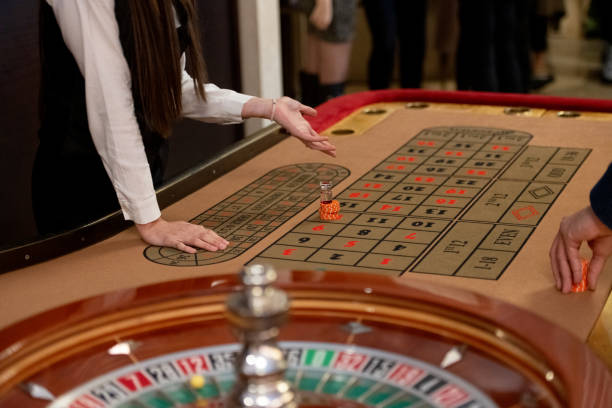
Furthermore, casinos are designed to enhance this experience. The use of vibrant colors, captivating sounds, and enticing scents works to stimulate the senses, creating an environment that feels exciting and safe. This sensory stimulation can lead to a state of flow, where players become deeply absorbed in the activity, often losing track of time and personal consequences. Such atmospheres encourage prolonged engagement, subtly encouraging players to keep returning, lured by the allure of potential victory.
The Role of Risk and Reward
Understanding the dynamics of risk and reward plays a pivotal role in casino gaming psychology. Gamblers are often drawn to the uncertainty inherent in gambling; it is this uncertainty that can trigger both anxiety and excitement. The concept of the «variable ratio reinforcement schedule,» where rewards come at unpredictable intervals, is particularly effective in keeping players engaged. This method creates a sense of hope and anticipation, as each play could lead to a significant payoff, thereby encouraging repeated attempts. The thrill of this unpredictability is what keeps many returning to the gaming tables.
This psychological aspect is amplified by the idea of ‘loss aversion.’ Players often continue to gamble in an effort to recover losses, driven by the belief that a win is just around the corner. This can lead to a cycle of chasing losses, where the thrill of gambling is compounded by the emotional need to overcome setbacks. The interplay of risk and reward thus contributes significantly to the prolonged attraction of casino gaming.
Social Interaction and Connection
The social environment of casinos further enhances the gaming experience, making it an attractive destination for many. Gambling often serves as a social activity, where players gather in groups to enjoy games together. This sense of community and shared excitement can reinforce the desire to participate in gaming. Social interaction plays a significant role in how we perceive and enjoy the activity, creating bonds over shared experiences and collective anticipation.
In addition, the rise of online casinos has transformed how players engage socially within this space. Virtual platforms now offer chat functions and interactive features that mimic the social aspect of traditional casinos. Players can connect with others worldwide, sharing wins and losses, which only amplifies the thrill of the game. This communal experience can drive individuals to play more frequently, as they seek both personal enjoyment and social connection in their gambling activities.
The Impact of Psychological Factors
Various psychological factors influence why individuals engage in casino gaming. Factors such as mood regulation, escapism, and the search for excitement can significantly contribute to the motivation behind playing. For some, casinos offer an escape from everyday stressors, allowing them to immerse themselves in a world where they can temporarily forget their problems. The high-stakes atmosphere provides a thrilling distraction that appeals to those seeking a break from their routine.
Additionally, the concept of personal identity plays a role in gambling habits. Many individuals find a sense of pride and self-worth in their gaming skills, often identifying as part of a broader community of gamblers. This identity can be further reinforced by social media and gaming culture, encouraging players to share their experiences and successes. Such elements contribute to an ongoing cycle of engagement and emotional investment in casino gaming.
Learning and Development Through Gaming
Engaging in casino gaming can also serve as an opportunity for personal and professional development. As players interact with complex games, they often develop strategic thinking and decision-making skills. The need to analyze odds, manage resources, and assess risk can translate into valuable competencies in other areas of life. This capacity to learn through gameplay can provide a sense of accomplishment beyond mere entertainment.
Moreover, individuals looking to enhance their gaming skills can find various educational resources, such as courses designed to improve their understanding of game mechanics and strategies. Platforms that offer training and development in areas like game theory or probability can further contribute to a player’s success in gambling. As players grow more informed, they enjoy a sense of empowerment that can be deeply satisfying and motivating.