

The Role of Emotions in Gambling
Gambling is often perceived as a game of chance, but it is equally influenced by the emotions of the players. The thrill of winning can trigger a rush of dopamine, the neurotransmitter associated with pleasure and reward. This emotional high can cloud judgment, leading players to make decisions that may not be in their best financial interest. Awareness of this emotional aspect is crucial for players who want to increase their odds in casino games, and that’s why exploring this site can be beneficial for further insights.
Moreover, emotions such as excitement or anxiety can significantly affect a player’s strategy. When feeling euphoric, players might opt for riskier bets, potentially leading to larger losses. Understanding how emotions impact decision-making in gambling can help players exercise more control over their gameplay, enhancing their overall gaming experience.
The Illusion of Control in Gaming
The concept of the «illusion of control» plays a significant role in how players engage with casino games. Many individuals believe they can influence random outcomes through strategies or betting patterns, which can lead to a false sense of confidence. For instance, players may think that choosing certain numbers in roulette or using specific strategies in poker can sway results in their favor.
This belief can lead to increased betting and a commitment to games even when the odds are not favorable. Recognizing that most casino games are governed by chance can help players approach the game with a more level-headed mindset, ultimately improving decision-making and maximizing their chances of success.
The Impact of Environment and Social Dynamics
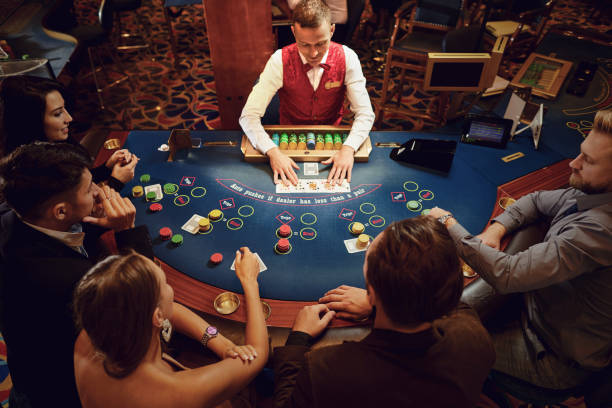
The environment of a casino is meticulously designed to influence player behavior. Elements such as lighting, sound, and layout can create an immersive experience that encourages longer playtime and increased spending. Social dynamics within the casino, including interactions with other players and dealers, can also affect a player’s gambling choices.
Players might feel influenced to continue playing due to the excitement of others around them, potentially leading to poor financial choices. By understanding these environmental and social factors, players can better navigate their experiences in a casino, helping them to remain focused and make calculated decisions.
The Power of Loss Aversion
Loss aversion is a psychological principle that suggests individuals prefer to avoid losses rather than acquire equivalent gains. This can lead players to chase losses in hopes of recouping what they have lost, often resulting in deeper financial trouble. Recognizing this tendency is essential for players who wish to manage their bankroll effectively and minimize losses.
By acknowledging loss aversion, players can set limits on their gambling activities and adhere to a budget, reducing the emotional impact of losing streaks. Creating a strategy that emphasizes responsible gaming can work in favor of the player’s odds over time, enhancing the overall gaming experience.
Engaging with the Gaming Community
This platform serves as a valuable resource for engaging with discussions around gambling, including understanding its psychological underpinnings. Community engagement encourages sharing of experiences and strategies, which can enhance individual understanding of casino games.
By participating in governance-related discussions and learning from others, players can develop more informed approaches to their gameplay. Whether it’s sharing insights on emotional control or strategies to mitigate loss aversion, the collective knowledge within the community empowers players to maximize their odds in casino games.